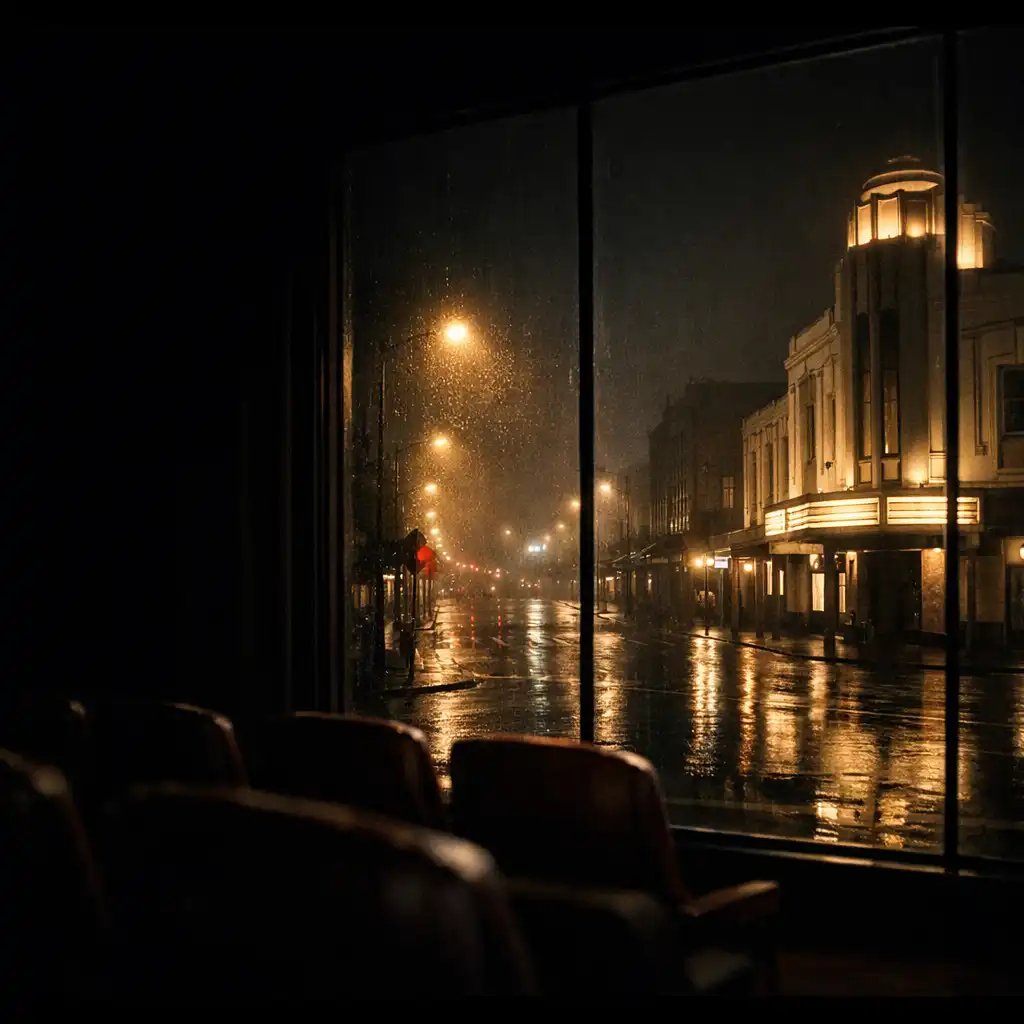
Film Mosaic is an independent English-language luxury film review, cinematic analysis, and media guide portal for readers drawn to films where risk, power, performance, and moral pressure shape the drama.
Our archive studies casino cinema, crime thrillers, heist narratives, psychological drama, and cinema culture as constructed works of direction, acting, writing, sound, editing, and production design—not as instruction or endorsement of real-money gambling.
Availability changes. After choosing a film, this external link opens the independent JustWatch New Zealand directory in a new tab.
The review desk
Criticism with the lights left on
These reviews begin with the film in front of us, then follow the choices that make its atmosphere, pressure, and afterimage possible.
01
Close reading over plot recap
We examine how scene construction, framing, rhythm, and performance create tension and consequence, rather than merely retelling a story. Spoilers are handled with care because critical context comes first. Reviews sit beside screenplay and narrative analysis, production trivia, and technical realism audits for readers who want to see how a film is built.
02
Genre without glamourising risk
Casino and high-stakes stories interest us as cinema about rooms, routines, class, obsession, systems, surveillance, and consequence. Their visual vocabulary can be seductive; our task is to ask what that seduction reveals. Film Mosaic maintains a strictly editorial perspective and does not promote real-money gambling.
03
Craft and cultural afterlife
Direction, design, score, editing, dialogue, and casting can all become an entry point into a film’s wider life in crime cinema and screen culture. A classic is not preserved in amber here: it can be reassessed through the pressures it still exerts on viewers and filmmakers.
The archive follows the image beyond its first impact.
Featured landmark review
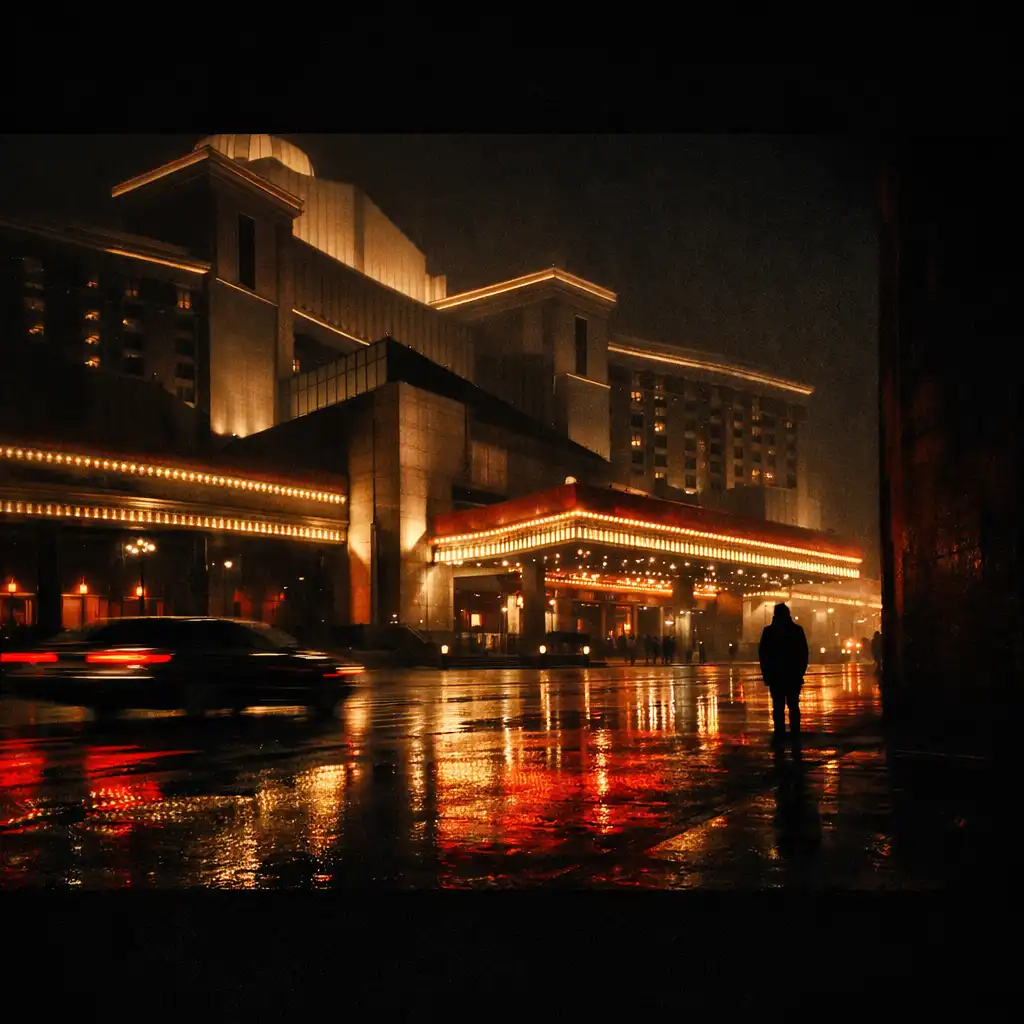
An original editorial visual interpretation; not an official film still.
1995 · Directed by Martin Scorsese
Casino
Film Mosaic approaches Casino as a foundational subject: a film whose spectacle is inseparable from its scrutiny of institutional power, performance, and self-destruction. Its grandeur is never simply decorative. Visual excess becomes a way of measuring a world that continually converts intimacy, loyalty, and identity into visible systems.
The review follows its escalating sense of control and the cost of treating people as parts of an apparatus. Rather than mistaking the setting for easy reward, it considers how architecture, costume, movement, and scale make control look both theatrical and fatally unstable.
Continue through classics, modern masterpieces, and genre-adjacent works in the archive below.
Archive index
Landmarks, modern pressure, and adjacent studies
The selection below is an editorial index: recognisable films chosen for the questions their form, mood, and moral architecture invite.
1995
Heat
Michael Mann
A study in professional discipline, urban isolation, and the structural tension between opposing codes of conduct. The critical lens follows how space, routine, and restraint turn the city into a pressure chamber.
1974
The Godfather Part II
Francis Ford Coppola
An examination of inheritance, institutional corruption, and the contrast between private memory and public power. Its moral architecture emerges through cinematic construction rather than inherited reputation.
2007
The Assassination of Jesse James by the Coward Robert Ford
Andrew Dominik
An adjacent prestige study in legend-making, performance, and the uneasy machinery of spectatorship. The review attends to atmosphere and perspective, asking how an image of crime can become a burden for those who carry it.
2019
Uncut Gems
Josh Safdie and Benny Safdie
A modern pressure-cooker study of sound, velocity, performance, and the emotional grammar of compulsion. Gambling appears here as narrative subject matter and consequence, never as play or strategy.
2001
Ocean’s Eleven
Steven Soderbergh
A counterpoint on ensemble timing, surface elegance, and the mechanics of pleasurable genre construction. Its setting is considered through production design and social performance, not promotional fantasy.
2021
The Card Counter
Paul Schrader
A restrained study of guilt, ritual, and moral containment in contemporary American cinema. The review focuses on form, character interiority, and ethical pressure without turning cards into technique.
Choose your critical lens
What these reviews help you notice
Follow the thread that matters most to your viewing: the performer, the structure, the designed world, or the question that remains after the final image.
Lens 01
Performance under pressure
Reviews consider how actors manage restraint, charisma, escalation, and contradiction when stakes tighten around them. Gesture, vocal rhythm, withholding, and screen partnership can reveal as much as dialogue. This reading lens complements Film Mosaic’s character dossiers without becoming an acting tutorial.
Lens 02
Screenplay as architecture
We track information flow, reversals, point of view, and the path from an opening premise to a final moral shape. The aim is crisp attention to construction, informed by our interest in narrative and screenplay breakdowns, not claims of access to scripts or proprietary maps.
Lens 03
The designed world
Production design, costume, cinematography, sound, and editing make a setting persuasive—or expose its instability. Technical detail matters when it serves meaning: visual texture can carry class, control, memory, or unease. That is why production trivia and realism audits belong beside criticism.
Lens 04
Myth, morality, and aftermath
The archive asks what a film leaves behind: its cultural image, ethical tension, and the discomfort that survives its final scene. It is interested in influence as an interpretive question, in the afterimage of a choice, rather than a universal verdict.
Critical method
How a Film Mosaic review is built
Independent criticism need not pretend to be a laboratory. It can still make its route through a film visible, so readers understand what supports a verdict and what they may wish to test for themselves.
1
First viewing: the immediate experience
The review begins by asking how a film’s emotional rhythm and perspective arrive. Pacing, image, sound, and performance are considered in plain language: do their sensory choices earn their force, and what kind of attention do they ask from the viewer?
2
Second look: the construction
Close reading turns toward screenplay design, editing, framing, costume, production design, and the relation between form and theme. This reflects Film Mosaic’s interest in narrative analysis, production trivia, and technical realism without suggesting access to private production documents.
3
Context: genre and culture
A review places a film beside the traditions it draws from: crime, heist, casino, psychological drama, or wider cinema culture. Conventions, moral stakes, and public images enrich close viewing; they do not flatten the film into a checklist.
4
Verdict: a reasoned invitation
A verdict is a concise critical position supported by the review’s observations. It is not a promise of personal taste or current availability. It helps readers decide what to watch and what to notice, while NZ viewing options are checked separately.
Critical judgement is independent; viewing availability is checked separately.
Reading paths
Three ways into the archive
Start with the current index according to the kind of cinematic pressure you want to examine.
01
Foundations of organised spectacle
Begin with classic crime and casino cinema where institutions, image-making, and power matter as much as plot. Casino and The Godfather Part II offer useful current-page points of reference, not an exhaustive canon.
Trace contemporary work shaped by acceleration, sound, unstable point of view, and moral friction. Uncut Gems and The Card Counter show how tension can be read as cinematic form and consequence rather than something to imitate.
Follow screenwriting, editing, ensemble rhythm, and professional codes through films where elegant surfaces meet ethical cost. Heat and Ocean’s Eleven are current-page comparison points, not lessons in tactics.
These are not rankings. They are adjacent films that can deepen a conversation about surveillance, professional codes, performance, structure, and ethical pressure.
1974
The Conversation
Francis Ford Coppola
A companion for readers interested in paranoia, listening, surveillance, and the moral burden of interpretation. Its viewing context sharpens questions about what an observer believes they know.
1981
Thief
Michael Mann
Place it beside discussions of professional codes for its attention to craft, identity, and the material texture of crime cinema. The pairing is interpretive, not operational.
1976
The Killing of a Chinese Bookie
John Cassavetes
A useful companion for readers drawn to performance, vulnerability, nightlife, and the fracture between public persona and private fear.
2006
Inside Man
Spike Lee
A comparison point for structure, point of view, and the social intelligence a mainstream heist film can carry without reducing its ideas to plot disclosure.
2007
Michael Clayton
Tony Gilroy
A closing study in professional fatigue, corporate pressure, and moral compromise beyond the conventions of a conventional heist narrative.
New Zealand discovery
Availability, checked independently
Streaming, rental, purchase, disc, and cinema listings shift by service and date. Once a review has helped you choose a film, use a current directory to check New Zealand results and format options. Film Mosaic’s critical view remains separate from third-party listings.
Our NZ streaming and 4K media guides are intended to support informed discovery, not to make claims about a particular title’s current provider, release date, or format.
A simple viewing check
Search the exact film title in a current New Zealand directory.
Confirm the NZ result and the format relevant to your viewing setup.
Check the provider’s current terms before choosing a viewing option.
This opens JustWatch New Zealand, a third-party site, in a new tab. Film Mosaic does not control its listings.
Independent editorial note
Independent by design
Film Mosaic publishes independent film criticism intended to deepen viewing, not to sell access, betting, or affiliation. Prestige reviews sit alongside character dossiers, plot breakdowns, and trivia and essays so a performance, a narrative turn, or a technical choice can be examined from more than one angle. Keep reading across the publication when a film leaves you with a question worth following.
Film Mosaic uses essential storage to remember your privacy choice and may use cookies to improve the archive experience. You can accept or reject optional cookies.