
Film Mosaic / Narrative analysis

Plot Breakdowns

Film Mosaic is an independent English-language luxury film review, cinematic analysis, and media guide portal for readers drawn to casino cinema, high-stakes gambling plots, crime thrillers, heist narratives, psychological drama, and cinema culture. This archive studies screenplay choices, point of view, reversals, time structure, and the gap between what characters know and what the audience is allowed to know. It sharpens a viewing without reducing a film to a summary, tracing how editing, performance, form, and withheld information engineer tension.

Check NZ availability

Screenplay logic · reversals · time design · realism on screen
External directory; availability can change.

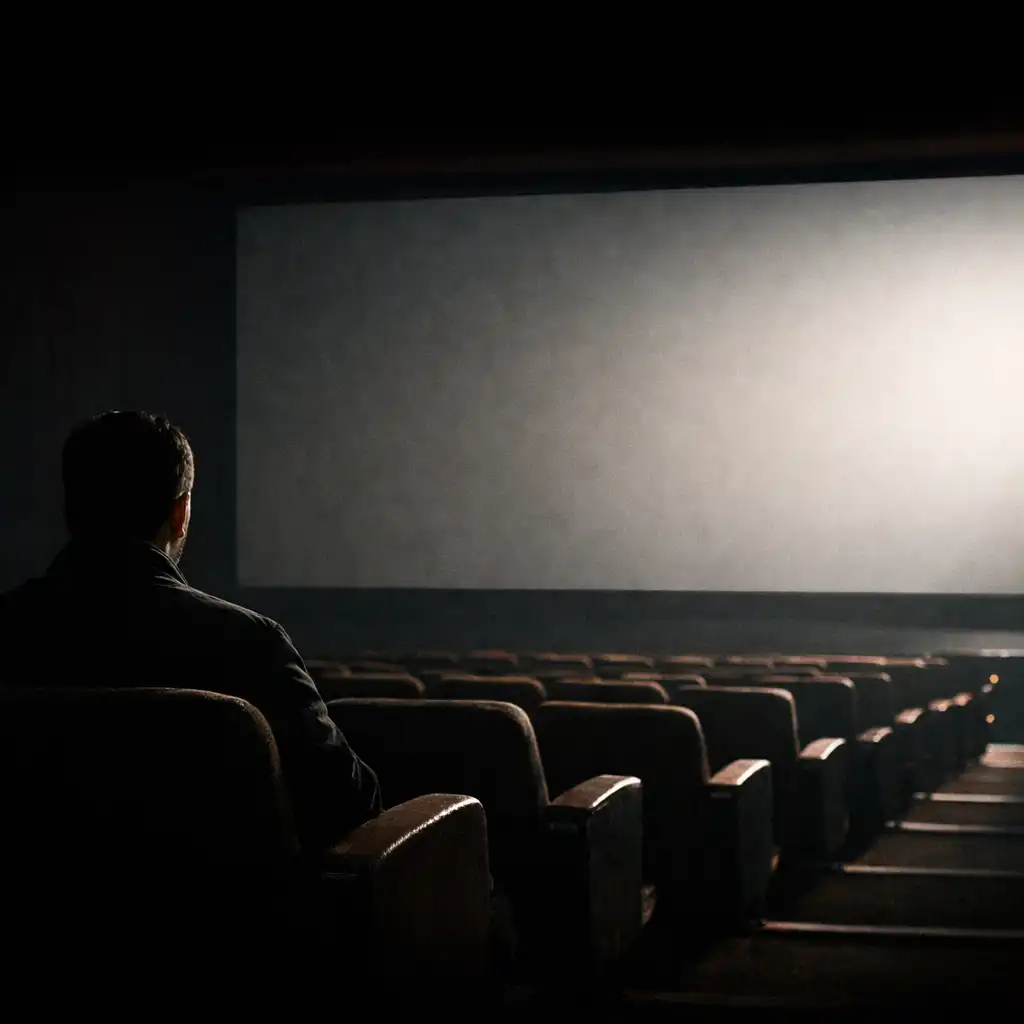
A solitary viewer faces a glowing blank screen in a dark cinema auditorium.

Archive framework

The questions beneath the plot

Every breakdown begins by asking how a film positions its viewer. These are the recurring questions that keep an event sequence connected to feeling, theme, and cinematic form.

  1. Information and point of view

    Suspense changes when the camera reveals more than a character, less than a character, or invites us to distrust the version of events in front of us. Film Mosaic treats perspective as a structural choice, not a synonym for surprise. Our narrative and screenplay breakdowns look at framing, sound, editing, and performance to see how audience knowledge is arranged, then shifted. The result is a closer account of why one withheld glance can carry more pressure than an explanatory line.

  2. Pressure, objectives, and reversals

    Crime thrillers, heist narratives, and high-stakes gambling plots often begin with a goal that appears cleanly defined. Good drama turns that goal into a pressure system: obstacles, deadlines, divided loyalties, and reversals alter what a character can live with. Stakes may be emotional, ethical, professional, or financial, but our focus remains fictional storytelling craft. We examine how a screenplay moves from intention to consequence, without treating its situations as real-world tactics.

  3. Time, memory, and consequence

    Chronology can be fractured, replayed, or quietly recontextualised to make uncertainty, regret, dread, and belated understanding felt rather than merely explained. A non-linear structure earns its place when it changes interpretation instead of simply scrambling events. Our plot-twist deconstructions ask how each return, omission, and cut shapes the emotional experience of watching—how a film can make an earlier scene feel, in retrospect, like another scene entirely.

Featured lens

The anatomy of a reveal

A twist matters less for its shock than for the new reading it makes possible. This is the four-part editorial test Film Mosaic uses to consider whether a reveal has been earned.

  1. Planting

    The promise planted early

    A satisfying reveal begins with a contract between film and viewer. Details, tone, framing, and omissions establish what seems trustworthy. Clues need not announce themselves, but they should feel meaningful in retrospect. Analysis considers image, sound, dialogue, and editing together, rather than assuming dialogue alone carries the design.

  2. Misdirection

    The misdirection that remains fair

    Fair misdirection shifts emphasis, interpretation, or point of view. It does not introduce a late rule that disconnects an ending from the film that preceded it. This is an editorial test rather than a universal law: accessible analysis asks whether the film has guided attention with intention.

  3. Recontextualisation

    The moment of recontextualisation

    A reveal gathers force when it changes the meaning of earlier scenes, letting an audience replay the story mentally while remaining emotionally present. Recognition has a rhythm. Performance, editing pace, and the timing of a cut can make that rhythm land with more force than the answer alone.

  4. Aftershock

    The aftershock that proves its value

    The final test is what remains: an altered understanding of character, a sharpened theme, or an image that keeps working after an answer arrives. Film Mosaic criticism is interpretive rather than scorekeeping, inviting readers to look for consequence rather than surprise alone.

    Explore narrative analysis
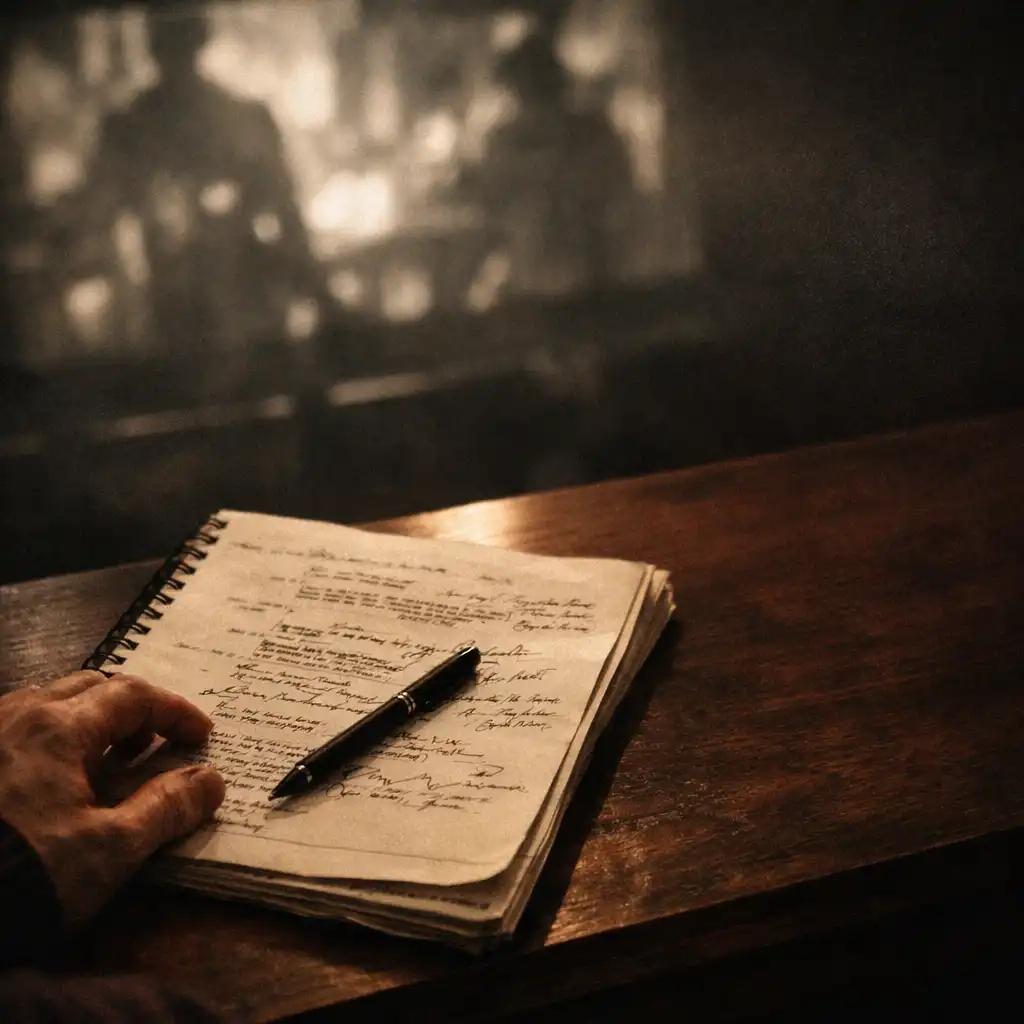
Hands beside a marked-up notebook in projection light within a private screening room.
Close reading begins with what a film places in view—and what it asks us to pass over.

Archive routes

Browse by construction

Start with the craft question that interests you most. Each route follows a different way stories organise pressure, perception, and consequence.

Narrative craft

Screenplay breakdowns

Follow scene purpose, turning points, motifs, act pressure, and the movement from premise to consequence. These pieces consider how scripts become screen drama: not as diagrams detached from feeling, but as choices that shape pace, expectation, and character.

Read screenplay analysis

Genre structure

Heist architecture

Study films where planning, team dynamics, constraints, and complication create the dramatic engine. The focus is cinematic structure and moral pressure, following setup, setback, and aftermath—not a real-world blueprint for conduct.

Explore heist narratives

Time design

Non-linear timelines

Trace fractured chronology, subjective memory, parallel tracks, and the editing decisions that guide orientation or disorientation. The question is always emotional and thematic effect: why does this order of events matter?

Study time structure
Editorial audit

Technical realism audits

Consider whether procedures, settings, and consequences feel credible within a film’s chosen genre. Audits weigh dramatic licence and ethical framing at a critical, non-instructional level.

Read realism analysis

Interior tension

Psychological games

Explore unreliable perception, manipulation, obsession, guilt, and the way cinema makes interior uncertainty visible through performance, sound, framing, and plot revelation.

Explore psychological drama

Fictional structure

How a heist narrative holds together

On screen, a heist is compelling when it becomes more than a plan. It is a test of confidence, loyalty, pressure, and the consequences characters try to outrun.

  1. 01

    The plan as character test

    An initial plan reveals values, hierarchy, confidence, and blind spots. Preparation matters dramatically because it makes promises to the audience about the relationships likely to crack when pressure arrives.

  2. 02

    The complication as pressure

    A missing piece of information, divided team, ethical hesitation, or unforeseen consequence can recast an original objective. In fictional storytelling, complication exposes the cost of certainty and heightens emotional pressure.

  3. 03

    The reversal as redefinition

    The strongest reversals do more than delay a goal. They redefine what success would mean for characters and viewers, reconnecting genre momentum to perspective, theme, and the choices now available.

  4. 04

    The aftermath as moral accounting

    The ending is where spectacle meets consequence: what has been altered, damaged, exposed, or understood? Our interest is ethical framing and dramatic consequence, not real-world conduct.

    See realism analysis

Method

Reality check — What the audit actually tests

Technical realism audits connect research with interpretation. They consider what a film establishes, what it compresses, and whether those choices serve the drama without mistaking cinema for a manual.

Criterion 01

Procedural credibility

An audit asks whether a film establishes understandable rules for its institutions, technology, environments, or professional roles while allowing for genre compression. Credibility is not identical to documentary accuracy. The analysis stays at a critical, non-instructional level, asking whether the world on screen has earned the confidence it requests from viewers.

Criterion 02

Human consequence

Plausibility also includes fear, fatigue, trust, coercion, error, and the aftermath of high-pressure decisions. Crime thrillers and psychological drama may stylise reality deliberately, yet their emotional logic still deserves attention. Film Mosaic prioritises character and ethical consequence over mechanism.

Criterion 03

Cinematic licence

The most useful criticism identifies what a film changes for rhythm or theme, then considers whether that choice strengthens the viewing experience. This is not a punitive gotcha exercise; it is a way to see where research, visual storytelling, and interpretation meet.

Viewing note

Read the scene, not just the ending

These prompts make space for a more attentive next viewing. They are invitations to interpret, not rules that every film must follow.

Watch for

Track who has the information

Notice when a film places knowledge with the audience, a character, or neither, and how that allocation changes tension. Information shifts are often carried by editing and point of view before anyone says what has changed.

Watch for

Notice the scene that changes its meaning

Some scenes seem ordinary until a later disclosure gives them new significance. Framing, recurring dialogue, props, sound, and performance can all carry meaning quietly, waiting for a different context to bring it forward.

Watch for

Ask what the plan costs

Look beyond the objective to the emotional, relational, and moral price a character pays to pursue it. This question suits heist, crime, casino, and psychological narratives without treating the objective itself as the whole story.

Watch for

Let the final image keep working

Sit with the closing image or sound cue. Does it resolve, unsettle, contradict, or reframe what came before? Cinema’s visual language often extends the story beyond the moment when its plot appears complete.

A memorable ending does not close analysis; it begins a new reading of everything that came before.Film Mosaic viewing note

NZ media guide

New Zealand viewing desk

Availability in Aotearoa New Zealand can vary by subscription service, rental storefront, purchase option, physical media release, and cinema schedule. Film Mosaic’s New Zealand streaming and 4K media guides help frame the viewing question, but we do not control listings. A current directory check is the clearest way to confirm what is available when you are ready to watch.

Check NZ availability

You’ll leave Film Mosaic to view current listings on JustWatch New Zealand.

Continue reading

Continue the investigation

Choose the next form of inquiry that best matches what stayed with you after the plot turned.

Character study

Character Dossiers

Move from plot mechanics to motive, persona, contradiction, and performance when a story’s force rests on the choices a character cannot quite escape.

Read Character Dossiers

Critical overview

Prestige Reviews

Find broader critical assessments that bring form, performance, atmosphere, themes, and viewing context together without reducing a film to a score.

Browse Prestige Reviews

Context and craft

Trivia & Essays

Explore production context, cinema history, thematic essays, and the details that can enrich a second viewing beyond plot mechanics alone.

Explore Trivia & Essays
Check NZ availability

JustWatch New Zealand is an external directory for current listings.